

-
The Scottish Cancer Foundation 2023 Lecture – Cancer research for cancer prevention
Dr Elisabete Weiderpass, Director of the International Agency for Research on Cancer (IARC) , Friday 1st December 2023 Over this century, cancer is set to become the leading cause of premature death worldwide, being the biggest barrier to increasing life expectancy. Whilst research efforts have focussed largely on treatments much is
-
Scottish Cancer Foundation Prize
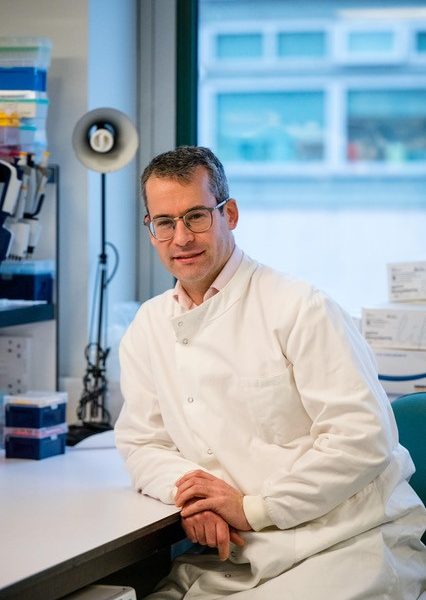
Bowel cancer hope from simple vitamin treatment An Edinburgh surgeon has won a major prize for his work on the role of a simple vitamin in helping to prevent bowel cancer and improve survival in those with the disease. The Scottish Cancer Foundation has awarded its annual £10,000 prize to
-
The Scottish Cancer Foundation 2023 Lecture
We are pleased to announce that Dr Elisabete Weiderpass, Director of the International Agency for Research on Cancer (IARC), will deliver The Scottish Cancer Foundation lecture at the The Royal Society of Edinburgh on Friday 1st December 2023. This Hybrid event is now open for bookings. To attend in person
-

Preventing cancer – who cares?
This Scottish Cancer Foundation session is part of the RSE Curious – Under the Surface Collection Date: 13, September 2023, 2pm Venue: The Royal Society of Edinburgh, 22-26 George Street, Edinburgh EH2 2PQ Fee: Free Speakers: Professor Annie S. Anderson; Professor Robert Steele This group discussion will delve into challenging questions
-
Scottish Cancer Conference 2023
Save the date! The Scottish Cancer Conference 2023 will take place on Monday 27th November at the University of Strathclyde’s Technology & Innovation Centre in Glasgow. the theme of the 2023 conference will be: “Scotland’s new Cancer Strategy – Ten years in the future, what does success look like?Further information
-
The Scottish Cancer Foundation Prize & Evans Forrest Medal 2023
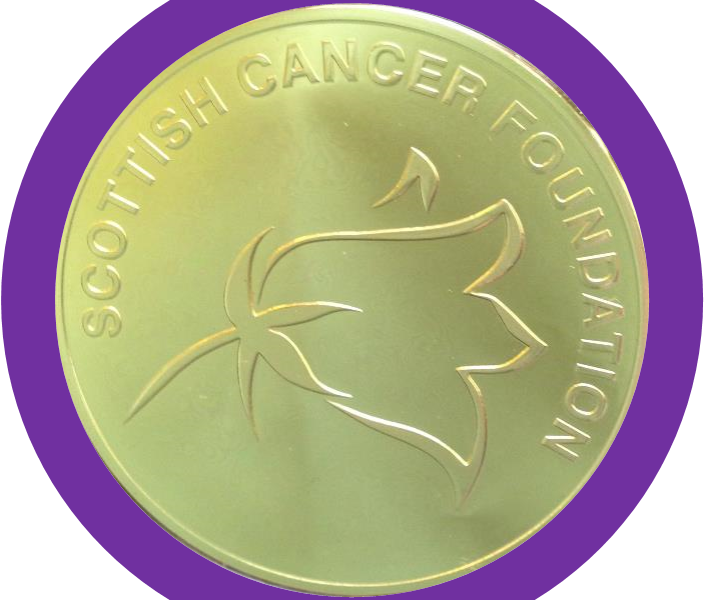
The Prize, up to £10,000, is supported by the Grant Simpson Trust. It is accompanied by the Evans Forrest Medal, named in recognition of the founders of the Scottish Cancer Foundation. The Scottish Cancer Foundation Prize & Evans Forrest Medal for 2023 will be launching soon. If you would like
-

Cancer Prevention Action Week – 20 -26 February 2023
We are delighted to continue to work alongside The World Cancer Research Fund whose theme for Cancer Prevention Action Week 2023 is cutting down on processed meat to help reduce the risk of bowel cancer. Find out more about the Great British Sarnie Swap here…..Cancer Prevention Action Week – the
-
Time to have your say on alcohol advertising and promotion in Scotland
Concerned about alcohol and cancer ? Have alcohol adverts and promotions in Scotland got it right? Scottish Government are consulting on this topic … let your voice be heard here…Restricting alcohol advertising and promotion: consultation – gov.scot (www.gov.scot) Consultation closes on Thursday 9th March 2023
-
PhD Studentships funded by SCF
Name of Student Björk Aston Project Title: Building complex Colorectal cancer models to explore clinical impediments in drug discovery and sensitivity Start date 03/10/2022 Institution University of Glasgow Supervisor/s Ross Cagan Short paragraph outlining the project: Colorectal cancer is one of the leading causes of cancer-related deaths globally. The current therapeutic options
-
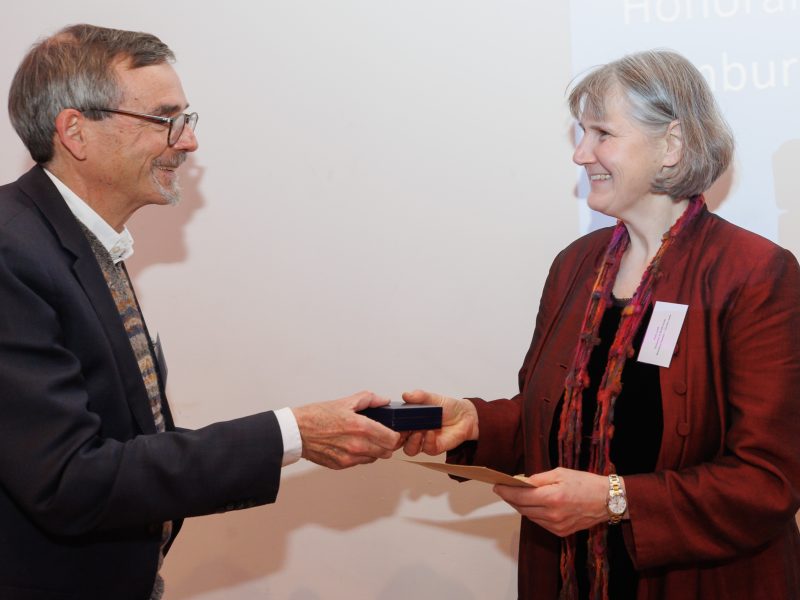
The Scottish Cancer Foundation Prize & Evans Forest Medal 2021
Theme: outstanding contribution to the maintenance and/or recovery of cancer services during the COVID-19 pandemic. Winner: Miss Theofano Tikka, MSc, FRCS (ORL-HNS) Recently completed ENT Registrar training (West of Scotland Deanery) PhD candidate (Strathclyde University) Current post-CCT fellow at the Royal Marsden Hospital, London The Scottish Cancer Foundation Prize and
- 1
- 2