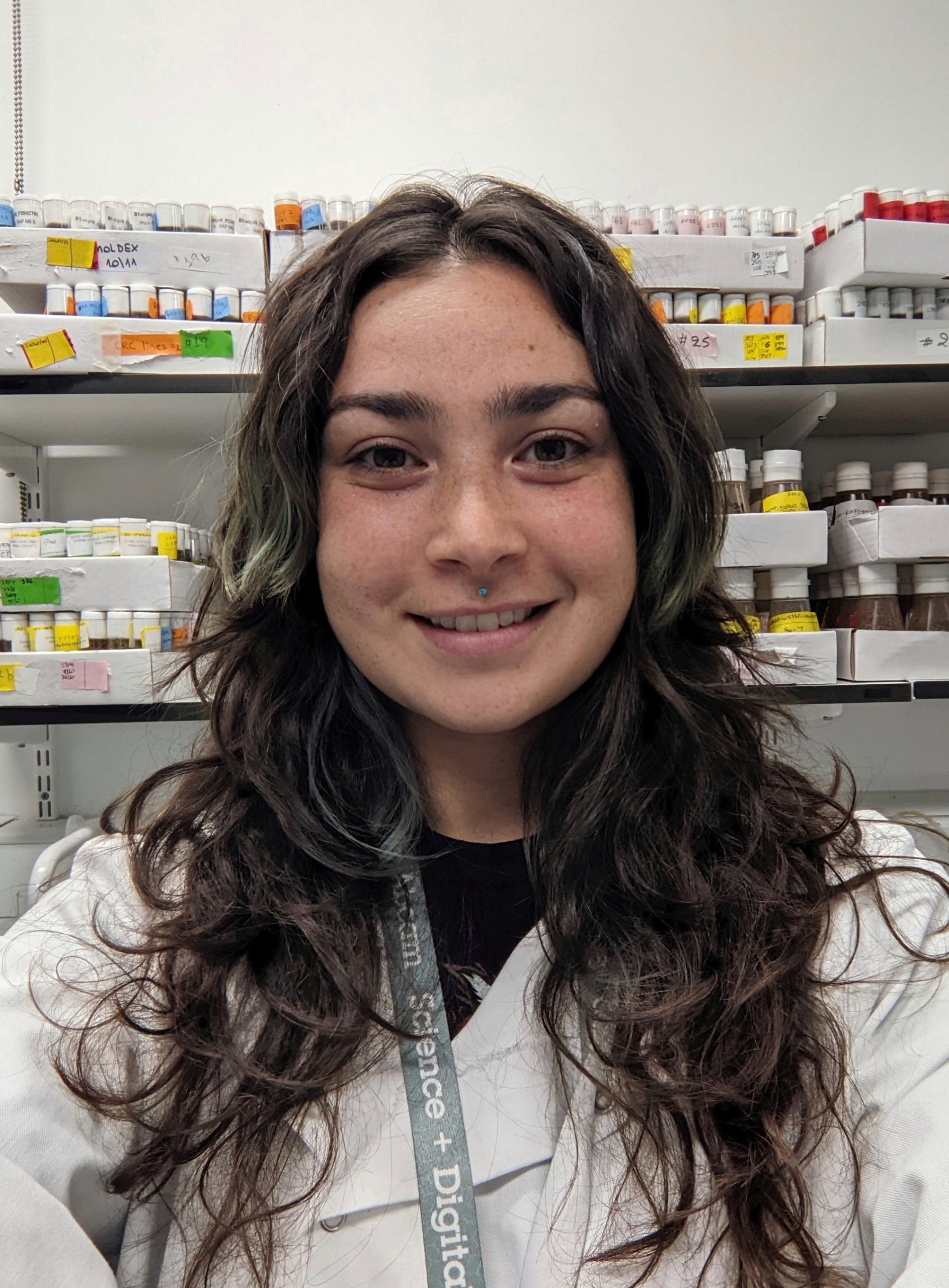

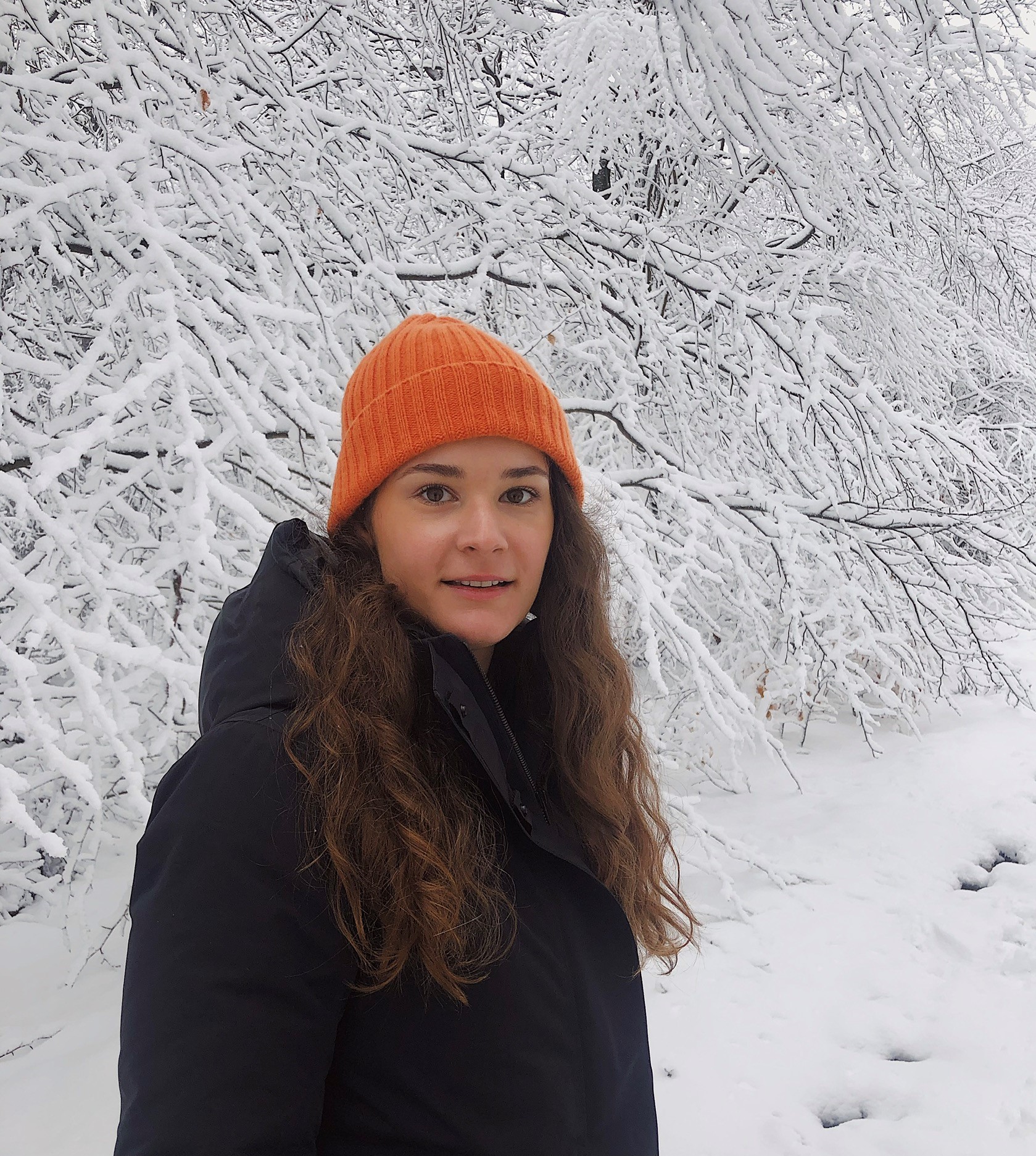
Name of Student Björk Aston

Project Title:  Building complex Colorectal cancer models to explore clinical impediments in drug discovery and sensitivity

Start date 03/10/2022

Institution University of Glasgow

Supervisor/s Ross Cagan

Short paragraph outlining the project:

Colorectal cancer is one of the leading causes of cancer-related deaths globally. The current therapeutic options for those diagnosed are limited and display loss of efficacy due to acquired resistance by the cancer cells. While massive progress has been made in understanding the oncogenic signalling pathways at play, this has not translated into successful clinical trials or new drug approval, suggesting that there is a facet of cancer signalling which is missed from research models. This project aims to elucidate the impact the immune system and tumour microenvironment plays on drug efficacy by creating complex models for therapeutic testing. Flies provide a good model organism to investigate the impact of innate immunity while hosting multiple gene mutations to mimic identified patient mutations. Mouse organoids can allow us to visualise cell competition alongside immune cell interactions and adaptive immunity, to observe the differences in drug efficacy in this complex model versus more simplistic organoid cultures. Together the two model systems will mimic more realistic patient cancer cell populations, ideally identifying polypharmacological targets, which may translate to more successful drug pass rates in clinical trials.
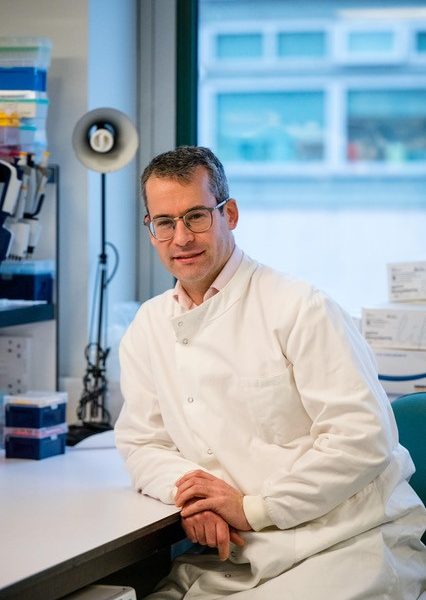
Name of Student: Clara Kurtidu 

Project Title: Improving cancer preventive behaviours in cancer patients and their families: a feasibility study in a prehab/rehab cancer surgery context

Start date:11/01/2021

Institution: University of Glasgow 

Supervisor/s: Prof Katie Robb, Prof Sharon Simpson, Prof Susan Moug, Dr Christos Theodorakopoulos

Project outline: Cancer has become increasingly prevalent worldwide, accounting for around 32,572 new cases a year in Scotland alone.  A cancer diagnosis with surgery as curative treatment or part of a treatment plan in conjunction with chemotherapy and/or radiotherapy might present an opportunity for a “teachable moment” promoting health behaviour change. To ensure appropriate care is available to those affected by the disease, pathways need to be put in place to support patient engagement in physical activity and healthy eating in addition to offering psychological support. A personalised prehabilitation care plan might offer a feasible pathway to engage patients in preventive behaviour change from the point of diagnosis to rehabilitation in order to support the psychological, dietary and physical health of the patient throughout their cancer journey. The current proposal will examine whether family support can improve cancer preventive behaviours in cancer patients, with the additional goal of also improving cancer preventive behaviours in the family member. 
  • The joint SCF and Royal Society of Edinburgh Lecture 2025

    Supplements and cancer prevention: What really works? Professor Mark Hull, Gastroenterologist and Cancer Preventionist. Thursday 20 November 2025 1800 – 1930 Are dietary supplements safe to use? Exploring the complex relationship between supplements and cancer prevention.Global sales of dietary supplements are worth over $100 billion per year, but do they

  • Ground-breaking CHALLENGE study pinpoints some key challenges

    Professor Steele introduces this blog from Professor John Saxton (University of Hull and the SCF invited lecturer for 2024) recording. In Scotland, there has been recent focus on prehabilitation i.e. improving fitness before surgery, particularly for cancer.  The evidence base for this in terms of cancer-related survival is weak, however,

  • Knowing the science behind cancer prevention isn’t enough to change lifestyle behaviours

    Knowledge is important but action by Government is also important. Too few people know about the association between alcohol and cancer and this can be improved by many routes including mandatory health warnings. In Cancer Prevention Action Week it is timely to think about how people can be supported to

  • Alcohol and Cancer

    Alison Douglas, Alcohol Focus Scotland Did you know that even low levels of alcohol increase your risk of cancer? Alcohol causes at least seven types of cancer – including two of the most common: breast and bowel. The more we drink, the greater the risk. Alcohol has been classified as

  • World Cancer Research Fund’s work supporting people living with and beyond cancer

    The global burden of cancer is increasing, making cancer prevention one of the most significant health challenges we currently face, including Scotland where the most recent data show there were nearly 35.5K new cases of cancer in 2021. Alongside this, improvements in early detection and treatment have significantly increased the

  • Scottish Cancer Foundation Prize 2025

    The Scottish Cancer Foundation awards an annual cash prize of £10,000, generously supported by the Grant Simpson Trust, and the Evans/Forrest Medal to an individual or organization that has made a substantial contribution to Cancer Prevention in Scotland. In the past, the prize has been won by people working in

  • Call for the SCF 2025 Prize now open

    The Scottish Cancer Foundation awards an annual cash prize of £10,000, generously supported by the Grant Simpson Trust, and the Evans/Forrest Medal to an individual or organization that has made a substantial contribution to Cancer Prevention in Scotland. In the past, the prize has been won by people working in

  • Cancer screening for all?

    People are united in their enthusiasm for cancer screening. Surveys show that around 90% of people think screening is ‘almost always a good idea.’ Earlier in my career I was involved in a trial of bowel screening where we found over 97% of people who had done the test would

  • #United by Unique- World Cancer Day 2025

    In 2022, 20 million new cancer cases were reported worldwide. Each one of these cases represents a unique human being coming to terms with a disease that may or may not be treatable and that may be dependent as much on where someone lives as the care available. In Scotland

  • Charity backs vital search for improvements to bowel cancer screening

    A project that has the potential to save many lives by improving the uptake of screening for Scotland’s third biggest cancer has won funding from the Scottish Cancer Foundation. Bowel cancer affects around 4000 people a year in Scotland and screening, which can catch the disease at an early, treatable